


Grinding whole coffee beans right before brewing unlocks aromatic oils and vibrant flavors that pre-ground coffee loses on the pantry shelf. Mastering how to use a cuisinart coffee grinder allows anyone to move away from stale grounds and build a fast, dependable morning coffee routine. Compact electric blade models, such as the classic Cuisinart DCG-20 series, rely on high-speed stainless steel blades and simple one-touch operation to process beans in seconds. Learning how to gauge grind texture by pulse timing gives coffee drinkers surprising control over their brew, whether preparing a standard morning pot or testing different home grinders for drip coffee.
Understanding the machine mechanics helps prevent uneven extraction, excessive bean dust, and accidental motor strain. The stainless steel bowl holds up to 2.5 ounces or 70 grams of whole beans, providing enough grounds for up to twelve brewed cups. A built-in safety interlock switch ensures the high-powered motor only spins when the clear lid rests firmly in its locked position. With simple habits around dosing, pulsing, and routine wiping, a compact kitchen grinder delivers fresh grounds without cluttering limited counter space.

Pros
- Very quiet operation at 63 dB - perfect for early mornings or shared spaces
- Adjustable grind settings from coarse to fine via timed knob for custom results
- Versatile use for coffee beans, spices, herbs, and even rice or sugar
- Removable stainless steel bowl is easy to clean and dishwasher safe
Cons
- Blade grinder may produce less consistent grind compared to burr grinders for espresso
- Small 2.5oz capacity may require multiple batches for large gatherings
- Plastic lid and body may not feel as premium as all-metal alternatives
The SHARDOR Electric Super Silent Blade Coffee Grinder is a versatile and quiet solution for coffee lovers, tea drinkers, and home baristas who want to grind fresh beans or spices without waking the whole house. This blade grinder features a timed grind control rotary knob with seconds markings, allowing you to adjust from coarse to fine easily. It's designed for daily use in kitchens, offices, dorm rooms, or anywhere counter space is limited.
For coffee enthusiasts, this grinder delivers consistent results for drip coffee makers, French presses, pour-over brewers, and cold brew setups. The adjustable precision lets you dial in the perfect grind size for your preferred brewing method. Tea drinkers can also use it to grind whole spices for chai or matcha preparation. The 2.5oz capacity stainless steel bowl can grind enough beans for up to 10 cups of coffee, making it practical for busy mornings or small gatherings.
Performance-wise, the SHARDOR grinder operates at an average of 63 dB, which is noticeably quieter than many other electric grinders. This makes it ideal for early morning routines in shared apartments or office kitchens where noise is a concern. The timed control knob provides repeatable results once you find your ideal setting. While blade grinders may not achieve the ultra-fine consistency of burr grinders for espresso, they offer excellent value for most drip, French press, and pour-over methods.
Build quality includes a removable stainless steel bowl that is easy to clean and dishwasher safe. The black plastic body is lightweight at 2.29 pounds and compact at 15 x 10 x 20 inches, fitting neatly on countertops or in cabinets. The included 2-in-1 coffee spoon with brush helps with measuring and cleaning. The grinder also handles dry spices and herbs like pepper, cumin, cinnamon, and even rice or sugar, adding versatility to your kitchen setup.
Setup is straightforward: just plug in, add beans or spices, set the timer knob, and press to grind. Cleaning is simple with the removable bowl and brush. One limitation is the small capacity, which may require multiple batches for large families or heavy entertaining. Also, the plastic lid and body may not feel as premium as all-metal grinders, but the quiet operation and adjustable grind control compensate well.
Overall, the SHARDOR Electric Super Silent Blade Coffee Grinder is a practical choice for coffee lovers, tea drinkers, home baristas, office users, and dorm residents who want a quiet, adjustable, and multi-functional grinder. It's also a great gift for kitchen appliance shoppers looking for an affordable upgrade. With its 2-year warranty and easy cleaning, it offers solid daily convenience for fresh coffee and spice grinding.
Pros
- Simple one-touch operation – just press and hold for coarse to fine grind
- Safety interlock ensures peace of mind when using around kids or in shared spaces
- Compact size saves counter space while still handling a full 12-cup batch
- Easy to clean – stainless steel bowl and lid rinse quickly after each use
Cons
- Blade grinder produces less consistent grind size compared to burr grinders – may affect flavor uniformity for espresso
- Small capacity (2.5 oz) means frequent refilling for larger batches
- Plastic lid and body may feel less premium than all-metal alternatives
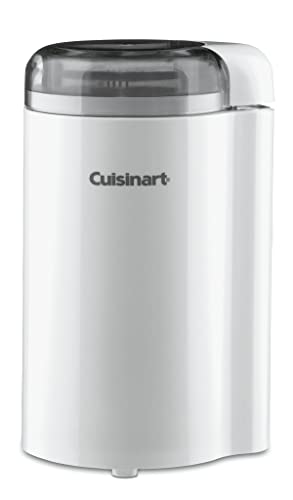
The Cuisinart DCG-20N Coffee Grinder is an electric blade grinder designed for home baristas, coffee lovers, and anyone who craves freshly ground beans without a big investment. This white model holds up to 2.5 ounces of whole coffee beans – enough to brew 12 cups – making it a practical choice for morning routines, office coffee breaks, or dorm room setups. Its stainless steel blades and high-powered motor chop beans quickly, so you can go from whole beans to ground coffee in seconds.
This grinder is best suited for coffee drinkers who prioritize speed and convenience over absolute grind consistency. For drip coffee makers, French presses, or pour-over brewers, the blade grinding action provides a reliable medium grind that works well. However, espresso enthusiasts or those seeking precise particle size control may want to consider a burr grinder. The DCG-20N shines in busy households where a quick grind for the morning pot is the goal, and its compact size (4 x 4 x 7 inches) means it won’t clutter a small counter.
Build quality is typical of Cuisinart: a durable white plastic housing with a stainless steel grinding bowl. The safety interlock is a thoughtful feature – the grinder only runs when the lid is firmly closed, reducing risk in homes with kids or in shared office kitchens. The included cord storage keeps things tidy, and both the bowl and lid are easy to rinse clean after each use. The blades themselves remove easily for thorough wiping.
In daily use, operation is simple: fill the bowl with beans, snap the lid on, and press the large on/off button. Since it’s a blade grinder, you control fineness by pulsing – shorter presses for coarse, longer for fine. It tends to produce some fines (very small particles), but for most drip and French press methods this is acceptable. Noise level is moderate – nothing unusual for a blade grinder.
A realistic limitation is capacity: 2.5 ounces is fine for a single 12-cup batch, but if you frequently grind for larger groups, you’ll need to do multiple rounds. Also, unlike burr grinders, the grind size isn’t as uniform, so flavor extraction may vary slightly. Some users have noted that the plastic lid can crack if dropped, so handle with care. But at its price point and with Cuisinart’s 18-month warranty, this grinder offers good value for entry-level coffee grinding.
Overall, the Cuisinart DCG-20N is a solid choice for coffee lovers who want an affordable, no-fuss way to grind beans for their daily brew. It works well for drip coffee, French press, and pour-over, and its compact size and safety features make it ideal for small kitchens, offices, dorms, or as a thoughtful gift for coffee enthusiasts just starting their journey. If you prioritize speed, simplicity, and easy cleaning, this grinder will serve you reliably.
Pros
- Grinds up to 12 cups worth of beans in one go – great for families or office use
- Simple one-touch operation with safety interlock makes it beginner-friendly
- Stainless steel bowl and blades are durable and easy to wipe clean
- Compact size fits easily in small kitchens, dorms, or office break rooms
Cons
- Blade grinder produces less uniform grind than burr grinders, which may affect extraction consistency for espresso lovers
- Plastic lid may feel less premium and could be prone to wear over time
- Some users might find the 70g capacity limiting for larger gatherings
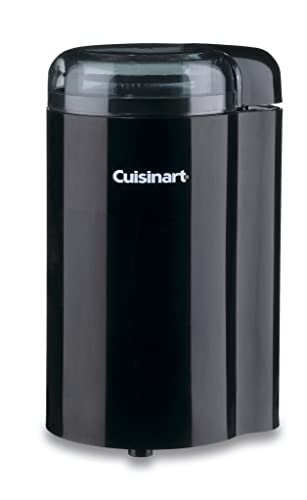
The Cuisinart DCG-20BKN is an electric blade coffee grinder designed for home use. It features a stainless steel bowl and blades, a 70g capacity that can handle enough beans for up to 12 cups of coffee, and a simple on/off switch with a safety interlock. This grinder is best suited for coffee lovers, home baristas, office users, dorm residents, and anyone looking for a budget-friendly way to enjoy freshly ground beans without a steep learning curve.
In real-world use, this grinder excels at quickly processing whole beans for drip coffee makers, French presses, or pour-over brewers. The heavy-duty motor and stainless steel blades provide decent grind consistency for most brewing methods, though blade grinders naturally produce a mix of particle sizes. For casual coffee drinkers, this still yields a flavorful cup with good body. The 70g capacity is convenient for making multiple servings at once, saving time during busy weekday mornings or when refilling an office coffee pot.
Build quality is typical for Cuisinart: the stainless steel bowl feels sturdy and resists odors, while the plastic lid is functional but not luxurious. The compact footprint – 4.25 x 3.5 x 7 inches – makes it easy to store on a small counter or in a cabinet. Cord storage underneath keeps the setup tidy. Cleaning is straightforward: the bowl and lid can be wiped out or rinsed, though the lid should not be submerged. The safety interlock is a practical feature, ensuring the grinder only runs when the lid is properly closed, which adds peace of mind in busy kitchens or dorms.
Setup is nearly instant – just plug in, add beans, press the lid to grind, and release to stop. There is no timer or preset, so you control the grind duration manually. This simplicity is great for beginners but may require a few tries to dial in the perfect grind for your preferred brew method. For espresso, the inconsistent grind from a blade grinder may not deliver the fine, uniform powder needed for optimal extraction; a burr grinder would be a better investment for espresso enthusiasts.
Daily cleaning is minimal: a quick wipe of the bowl and lid after each use prevents oil buildup. The stainless steel bowl can be washed with mild soap and water, but it is not dishwasher safe. Over time, coffee oils may cling to the plastic lid, requiring occasional thorough cleaning. The grinder is not designed for wet ingredients, so avoid grinding spices or nuts unless you are comfortable with flavor transfer.
Considering its affordable price and reliable performance, the Cuisinart DCG-20BKN is a practical choice for coffee lovers who prioritize convenience and value. It works well for drip coffee, French press, and pour-over setups, and its compact size makes it a smart addition to small kitchens, office break rooms, or dorm rooms. For those who want a simple, no-fuss way to grind fresh beans daily, this grinder delivers solid results without taking up much space or requiring special skills.
Pros
- Offers 16 precise grind settings for versatile brewing methods, from espresso to French press.
- Flat burr design provides consistent grind size for balanced flavor extraction.
- Compact footprint fits well in small kitchens or dorm rooms without sacrificing capacity.
- Easy to clean with removable parts and included brush.
Cons
- Plastic hopper and chamber may feel less premium than all-metal grinders.
- Automatic operation can produce more noise than manual grinders.
- Some users may find the grind size adjustment dial a bit stiff initially.
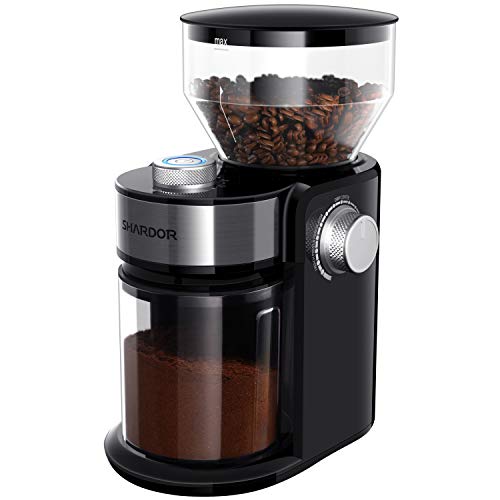
The SHARDOR Electric Burr Coffee Grinder 2.0 is designed for coffee lovers who value consistency and convenience. With its metallic flat burrs and 16 adjustable grind settings, this grinder can handle everything from a fine espresso grind to a coarse French press grind. The fully automatic operation means you can set it and forget it - just load the beans, select your cup size (2 to 14 cups), and let the grinder do the work.
This grinder is especially suited for home baristas who want to upgrade from blade grinders, office users who need quick, consistent grounds for a communal pot, and dorm dwellers seeking a compact yet capable machine. The 2-14 cup selector lets you grind the exact amount you need, minimizing waste and ensuring freshness. Whether you are brewing a single morning cup or a full carafe for guests, the SHARDOR grinder delivers uniform particle size for balanced extraction and rich flavor.
Build quality is practical for daily kitchen use. The glossy black finish resists fingerprints, and the removable top burr, hopper, and grind chamber make cleaning straightforward. The included brush helps remove coffee residue from the burrs and chute. Although the main parts are BPA-free plastic rather than stainless steel, the flat burrs themselves are metal, providing reliable grinding performance. The compact dimensions (7 x 5 x 9.5 inches) mean it won't hog your counter space.
Daily use is fuss-free. Just add beans, choose your grind setting with the numbered dial (1 for fine, 16 for coarse), and select the cup count. The grinder automatically stops when done. Some users note that the dial can be a bit stiff at first, but it loosens over time. Noise levels are moderate - typical for an electric burr grinder of this size. For cleaning, you can wipe down the hopper and chamber with a dry cloth; the burrs release easily for deeper cleaning.
A realistic limitation is that the plastic build, while functional, may not feel as durable as all-metal alternatives. Also, the automatic operation means you cannot manually pulse the grinder for specific recipes. However, for most coffee drinkers, the preset grind settings and cup selection offer enough control.
Overall, the SHARDOR Electric Burr Coffee Grinder 2.0 is a solid entry-level electric burr grinder that balances performance, capacity, and price. It is ideal for anyone moving beyond basic blade grinders, from college students to office managers to home coffee enthusiasts. If you want consistent grinds without the hassle of manual grinding or the mess of blades, this is a practical choice for your daily brew.
Operating and Mastering Your Cuisinart Coffee Grinder
Operating an electric blade coffee grinder correctly requires understanding how blade speed and contact time shape coffee bean particles. While high-end burr mills allow users to dial in numerical clicks, a compact Cuisinart blade unit relies on user-directed timing and proper pulse technique. Getting consistent results comes down to measuring the correct dose, securing the safety interlock, and pulsing the motor to distribute beans evenly around the cutting chamber. Following a structured routine ensures cleaner grounds, better extraction in your coffee maker, and longer motor life.
Understanding the Grinder Components and Safety Interlock Mechanism
The standard Cuisinart blade coffee grinder features a straightforward architecture built around a heavy-duty motor base, a fixed stainless steel grinding bowl, and a clear plastic cover. Two angled stainless steel cutting blades sit at the bottom of the bowl, spinning at high speed once the circuit engages. Underneath the base, integrated cord storage allows excess electrical wire to tuck away neatly, which keeps compact kitchen countertops organized. The transparent lid serves two vital purposes by containing bean fragments during operation and letting you visually inspect the particle size as the blades spin.
Safety plays a central role in how the unit operates through an integrated mechanical interlock switch. The motor will not receive electrical power unless the lid tabs align properly with the internal switch channels on the base housing. This feature prevents the rapid stainless steel blades from spinning while hands or utensils are near the grinding well. If your machine fails to spin when pressed, slightly adjusting the lid alignment usually solves the problem immediately.
Measuring Whole Beans and Respecting the Capacity Limits
Every coffee brewing method requires a specific balance between coffee grounds and water, starting with proper whole bean measurement. The Cuisinart grinding bowl accommodates a maximum capacity of 2.5 ounces, which equals approximately 70 grams of whole coffee beans. According to standard coffee maker guidelines, this maximum volume produces enough ground coffee to brew up to twelve standard five-ounce cups. Overfilling the bowl beyond this capacity chokes the spinning blades, leading to uneven particle sizes and unnecessary motor strain.
For smaller brew batches, measuring whole beans before pouring them into the grinding chamber delivers the freshest flavor. Pouring only what you intend to brew prevents leftover grounds from sitting exposed to oxygen and humidity inside the stainless steel bowl. If you plan to brew a six-cup pot of drip coffee, measuring roughly 35 grams of whole beans allows ample air space for the beans to circulate freely. Proper headspace inside the chamber ensures that every bean encounters the cutting edges evenly during the grinding cycle.
Step-by-Step Operation: Locking the Lid and Engaging the Motor
Begin by placing the coffee grinder on a dry, level countertop near a standard electrical outlet. Unwind the required length of power cord from the underside storage reel and plug the unit securely into the wall. Remove the transparent lid, inspect the stainless steel bowl to verify it is free of stray moisture or old debris, and pour in your measured whole beans. Place the clear lid back onto the bowl, pressing down gently until the alignment tabs seat firmly into the safety interlock slots.
Once the lid sits squarely in place, operation depends on the one-touch control mechanism built into the top lid or push switch. Pressing down firmly on the lid activates the switch, immediately engaging the motor and sending the stainless steel blades into motion. Maintaining steady downward pressure keeps the circuit closed for continuous grinding, while releasing pressure stops the motor instantly. This direct manual control puts full responsibility for grind duration and particle texture directly in your hands.
Always allow the spinning blades to come to a complete stop before attempting to remove the transparent cover. Releasing downward pressure cuts electrical power, but blade momentum may take an extra second or two to cease spinning entirely. Removing the lid prematurely creates a safety hazard and risks spraying fine coffee dust across your kitchen counter. Once the blades are stationary, lift the cover straight up to inspect your freshly ground coffee.
Pulse Grinding Versus Continuous Running for Better Consistency
Holding the power button down continuously may seem like the fastest way to grind beans, but it often creates severe particle inconsistency. Continuous grinding causes beans at the bottom of the bowl to pulverize into ultra-fine dust while beans near the top remain large chunks. Additionally, running high-speed blades without pause generates friction heat inside the metal bowl, which can scorch delicate coffee aromatics. Adopting an intermittent pulse technique prevents these common extraction pitfalls and yields far more uniform coffee grounds.
To execute an effective pulse method, press the lid down for two to three seconds, release for one second, and repeat. During the brief pause between pulses, bean fragments fall back toward the bottom of the chamber where the cutting blades can strike them again. Giving the grinder a gentle, controlled horizontal shake during the pause helps redistribute uneven particles across the stainless steel floor. This rhythmic combination of short motor bursts and gentle agitation dramatically reduces boulder-sized particles without creating excessive fines.
Listening to the motor pitch also provides valuable feedback about your grinding progress during pulsed cycles. When you first press down on whole beans, the motor emits a deep, guttural pitch as the blades encounter heavy resistance. As beans break into smaller fragments, the motor speed increases and produces a higher, smoother whine. Noticing this auditory shift helps you judge when your desired consistency is near without opening the lid repeatedly.
Matching Grind Time to Your Favorite Brewing Methods
Because blade grinders lack numerical calibration dials, grind size correlates directly with the total seconds of blade contact time. For standard automatic drip machines, a medium grind resembling coarse beach sand generally requires between ten and fifteen total seconds of pulsed grinding. This texture allows water to flow through the paper or mesh basket at a balanced rate, avoiding sour under-extraction or bitter over-extraction. Drip coffee drinkers who want even tighter particle uniformity often explore dedicated espresso grinders or specialized burr mills when moving into advanced brewing gear.
Immersion brewing methods such as the French press or cold brew require a much coarser texture with minimal microscopic fines. Achieving a coarse grind takes approximately seven to ten seconds of brief, controlled pulses accompanied by gentle shaking. Stopping the motor early keeps particle fragments large enough to remain trapped by metal mesh filters, reducing muddy sediment in your finished mug. If you grind too long, excessive fine particles will slip past the filter screen and cause heavy bitterness in your brew.
Finely ground coffee for stovetop moka pots or pour-over cones demands longer grinding times, usually ranging from sixteen to twenty seconds. While blade units can produce fine powder with extended runtime, true espresso machines requiring high pressure struggle with blade-ground coffee. Blade grinders naturally produce a wide particle size distribution, causing water to channel unevenly through pressurized espresso portafilters. Recognizing the equipment limits helps you match your Cuisinart grinder to the brew styles it handles most effectively.
Managing Static Electricity and Transferring Fresh Grounds Cleanly
Static electricity frequently causes freshly ground coffee to cling stubbornly to the plastic lid and inner walls of the stainless steel bowl. When beans fracture against metal at high velocities in dry indoor environments, friction builds electrical charges that scatter light coffee chaff. Tapping the side of the clear lid with your knuckles before opening the grinder helps dislodge clinging particles back into the bowl. Allowing the grinder to rest for thirty seconds after the final pulse also gives static charges time to dissipate naturally.
Transferring grounds from a fixed metal bowl requires a steady hand and an appropriate scooping utensil. Tipping the entire motor base over your coffee filter works, but light grounds often spill over the rim and scatter across the countertop. Using a small silicone spatula or a dedicated coffee scoop offers far better control when removing grounds from beneath the stationary blades. Always ensure the grinder remains unplugged from electrical power whenever your hands or metal spoons enter the bowl interior.
Cleaning the Stainless Steel Bowl and Exterior Safely
Routine cleaning prevents stale coffee oils from accumulating inside the grinding chamber and contaminating future morning brews. Because the stainless steel bowl houses the motor shaft connection on standard DCG-20 models, the base must never be submerged in water or rinsed under running faucets. Moisture entering the motor housing risks electrical short circuits and permanent mechanical damage to internal components. Unplugging the power cord before any maintenance or cleaning routine is an essential safety step.
To clean the fixed stainless steel bowl, use a dry, soft-bristled brush or a folded paper towel to sweep out leftover coffee dust. For stubborn, oily residue, lightly dampen a clean microfiber cloth with warm water and gently wipe the bowl interior and the dull side of the blades. Take extra care around the blade edges to avoid finger cuts while wiping the bottom floor. Dry the bowl thoroughly with a clean cloth before replacing the lid or storing the unit.
The transparent top cover requires separate care and can be washed in warm, soapy water. Rinse the lid thoroughly to remove residual detergent scent, as leftover soap smells can transfer into ground coffee during subsequent grinding sessions. Allow the cover to air dry completely before placing it back onto the base to prevent trapped humidity inside the metal bowl. Keeping both components clean and dry preserves the fresh aroma of each new coffee roast.
Troubleshooting Operational Interruptions and Common Stalls
If your Cuisinart coffee grinder suddenly refuses to run, the most common culprit is a disengaged safety interlock switch. Inspect the perimeter of the clear cover to ensure the plastic engagement tabs remain intact and free of hairline fractures. Coffee grounds or stray debris lodged inside the switch channels on the motor base can block the lid tabs from fully depressing the internal switch. Clearing out the channel with a dry brush and realigning the lid usually restores normal electrical contact instantly.
Another common issue involves motor stalling caused by dense, hard coffee beans wedging beneath the stainless steel cutting blades. If the motor hums without spinning when you press the switch, release the button immediately to avoid overheating the electrical windings. Unplug the power cable from the wall outlet, remove the clear lid, and inspect the clearance area underneath both blades. Use a wooden or plastic utensil to gently dislodge the stuck bean, then turn the blades by hand to verify smooth rotation.
Internal thermal overload protection can also shut down the motor if you run multiple large batches in rapid succession without cool-down periods. High-speed motors generate substantial operating heat, especially when processing dense, light-roast whole beans. If the unit stops unexpectedly and feels warm to the touch, unplug it and let it rest undisturbed for fifteen to twenty minutes. Respecting the duty cycle of small kitchen appliances ensures the motor windings stay healthy over years of daily service.
Evaluating Blade Chopping Against Burr Grinding Upgrades
Understanding how blade grinders work helps coffee drinkers appreciate their strengths while recognizing when a different grinder design might serve them better. Blade units function essentially like miniature food processors, chopping beans randomly as they bounce off spinning metal edges. This action inevitably produces a mix of fine dust and larger chunks, which works adequately for standard automatic drip machines. Coffee enthusiasts seeking tighter particle consistency often consider affordable burr coffee grinders that crush beans uniformly between revolving abrasive plates.
Alternative designs, such as electric timed blade grinders with removable bowls or flat burr mills with numbered settings, offer distinct operational advantages. Removable grinding bowls make cleaning and transferring grounds effortless compared to fixed-bowl configurations. Timed rotary dials, like those found on certain quiet blade grinders, eliminate manual guesswork by shutting off the motor automatically after a chosen duration. Meanwhile, burr grinders feature calibrated settings that produce repeatable particle sizes ideal for pour-over cones and espresso portafilters.
For many households, the simplicity, compact countertop footprint, and modest investment of a Cuisinart blade grinder make it an ideal everyday tool. It grinds whole beans quickly, cleans up in under a minute, and stows away easily inside kitchen cabinets. Choosing between a blade grinder and a dedicated burr mill ultimately hinges on your preferred brewing style, daily volume requirements, and tolerance for manual technique. Mastering the pulsing and dosing fundamentals allows you to extract satisfying coffee from this dependable kitchen staple.
Final Practical Takeaways for Daily Morning Use
Getting great coffee from a Cuisinart grinder relies on deliberate handling rather than rushing through the morning routine. Always measure your whole beans accurately, secure the clear cover into the safety interlock, and pulse the motor in short bursts while gently shaking the base. Keep the stainless steel chamber dry and wiped clean of old oils to maintain crisp flavor across every cup you brew. With these basic steps firmly in place, fresh, aromatic coffee remains quick and enjoyable every single morning.

Write Your Review
No reviews yet. Be the first to share your experience!