


Morning coffee flavor depends heavily on the cleanliness of the grinding chamber, where stale grounds and rancid bean oils accumulate over time. When coffee grounds sit trapped near the blades or around the discharge chute, they oxidize and impart an unpleasant bitterness to fresh batches. Knowing how to clean a cuisinart coffee grinder allows home brewers to preserve the delicate aroma of specialty beans and ensure mechanical parts operate smoothly without clogging. Routine maintenance prevents motor strain and keeps grounds moving freely into the collection container during busy mornings.
Different machine styles require tailored care, whether dealing with a compact blade unit or an automatic burr mill with removable collection bins. Comparing maintenance steps for varied drip coffee grinder options shows that simple daily wiping and periodic deep cleaning make a notable difference in equipment longevity. Taking a few minutes to clear stray chaff, wipe down contact surfaces, and wash removable parts helps maintain consistent flavor across every morning brew. A clean grinding path ensures your machine delivers the exact ground texture your favorite brewing method requires.
Pros
- Simple one-touch operation – just press and hold for coarse to fine grind
- Safety interlock ensures peace of mind when using around kids or in shared spaces
- Compact size saves counter space while still handling a full 12-cup batch
- Easy to clean – stainless steel bowl and lid rinse quickly after each use
Cons
- Blade grinder produces less consistent grind size compared to burr grinders – may affect flavor uniformity for espresso
- Small capacity (2.5 oz) means frequent refilling for larger batches
- Plastic lid and body may feel less premium than all-metal alternatives
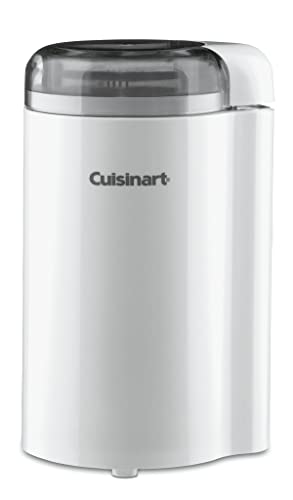
The Cuisinart DCG-20N Coffee Grinder is an electric blade grinder designed for home baristas, coffee lovers, and anyone who craves freshly ground beans without a big investment. This white model holds up to 2.5 ounces of whole coffee beans – enough to brew 12 cups – making it a practical choice for morning routines, office coffee breaks, or dorm room setups. Its stainless steel blades and high-powered motor chop beans quickly, so you can go from whole beans to ground coffee in seconds.
This grinder is best suited for coffee drinkers who prioritize speed and convenience over absolute grind consistency. For drip coffee makers, French presses, or pour-over brewers, the blade grinding action provides a reliable medium grind that works well. However, espresso enthusiasts or those seeking precise particle size control may want to consider a burr grinder. The DCG-20N shines in busy households where a quick grind for the morning pot is the goal, and its compact size (4 x 4 x 7 inches) means it won’t clutter a small counter.
Build quality is typical of Cuisinart: a durable white plastic housing with a stainless steel grinding bowl. The safety interlock is a thoughtful feature – the grinder only runs when the lid is firmly closed, reducing risk in homes with kids or in shared office kitchens. The included cord storage keeps things tidy, and both the bowl and lid are easy to rinse clean after each use. The blades themselves remove easily for thorough wiping.
In daily use, operation is simple: fill the bowl with beans, snap the lid on, and press the large on/off button. Since it’s a blade grinder, you control fineness by pulsing – shorter presses for coarse, longer for fine. It tends to produce some fines (very small particles), but for most drip and French press methods this is acceptable. Noise level is moderate – nothing unusual for a blade grinder.
A realistic limitation is capacity: 2.5 ounces is fine for a single 12-cup batch, but if you frequently grind for larger groups, you’ll need to do multiple rounds. Also, unlike burr grinders, the grind size isn’t as uniform, so flavor extraction may vary slightly. Some users have noted that the plastic lid can crack if dropped, so handle with care. But at its price point and with Cuisinart’s 18-month warranty, this grinder offers good value for entry-level coffee grinding.
Overall, the Cuisinart DCG-20N is a solid choice for coffee lovers who want an affordable, no-fuss way to grind beans for their daily brew. It works well for drip coffee, French press, and pour-over, and its compact size and safety features make it ideal for small kitchens, offices, dorms, or as a thoughtful gift for coffee enthusiasts just starting their journey. If you prioritize speed, simplicity, and easy cleaning, this grinder will serve you reliably.

Pros
- Precise grind adjustment with 15 settings and micro-adjustments for fine-tuning brew strength
- Compact footprint fits easily on crowded counters or in cabinets
- Removable burrs simplify cleaning and maintenance
- Stainless steel burrs ensure durable, consistent performance
Cons
- Small 50-gram bean capacity may require refilling for larger batches or entertaining
- Plastic components may feel less premium compared to all-metal grinders
- Limited to 15 grind settings, which may not satisfy those needing ultra-fine or extra-coarse options
The OXO Brew Compact Conical Burr Coffee Grinder is a thoughtful addition for anyone who values freshly ground coffee but works with limited counter space. This electric burr grinder is designed to deliver consistent grind quality from fine to coarse, making it suitable for a range of brewing methods from espresso to French press. With 15 grind settings and 29 micro-adjustments, you get enough control to dial in your preferred extraction without overwhelming complexity.
This grinder is especially well-suited for home baristas, coffee lovers, and those with small kitchens, dorm rooms, or office break areas. Its slim profile - just 11 inches tall and 4 inches wide - means it can sit neatly beside a coffee maker or be stored in a cabinet when not in use. The 50-gram bean capacity is enough for up to 6 cups of coffee, which works well for daily personal use or small households. For larger gatherings, you may need to refill the hopper, but for most routines, it hits a practical sweet spot.
Grind consistency is a key factor in coffee flavor, and the stainless steel conical burrs here provide uniform particle size that helps with even extraction. Whether you are brewing a pour-over, drip coffee, or using a French press, the grind quality should support a clean, balanced cup. The 15 settings plus micro-adjustments allow you to fine-tune the grind to match your brewing method and taste preferences, which is a notable advantage for those who like to experiment.
Build quality feels solid for its price point, with a compact plastic body that keeps weight down and a removable burr assembly that makes cleaning straightforward. The upper and lower burrs can be taken out easily, so you can brush away coffee residue and oils that might otherwise affect flavor over time. The hopper and grounds container are made from Tritan renew, a material that incorporates certified recycled content, which may appeal to environmentally conscious buyers.
One realistic limitation is the 50-gram capacity, which is on the smaller side. If you regularly brew for multiple people or want to grind a full bag of beans at once, you will need to grind in batches. Also, while the plastic construction keeps the grinder lightweight and affordable, it may not feel as durable as all-metal alternatives. The 15 grind settings, while sufficient for most home use, may not offer the fine granularity that professional-grade grinders provide.
Overall, the OXO Brew Compact Conical Burr Coffee Grinder is a practical choice for coffee enthusiasts who want reliable grind consistency without sacrificing counter space. It fits naturally into small kitchens, dorms, and office setups, and its ease of cleaning and eco-friendly materials add to its appeal. If you are looking for a straightforward, space-saving grinder that delivers good grind quality for daily brewing, this model is worth considering.

Pros
- Seamless direct replacement for cracked, lost, or clouded Cuisinart DBM-8 containers
- Large capacity handles grounds for single mugs, full 12-cup pots, or cold brew prep
- Transparent walls provide full visibility during the grinding process
- Dishwasher-safe build makes it simple to wash away stubborn coffee oils
Cons
- Engineered exclusively for Cuisinart DBM-8 series and will not fit other grinder brands
- Clear plastic material can still experience static cling with fine coffee dust
- Includes only the collection bin and lid, not the hopper or motor assembly
The ETZ DBM-8GC Upgraded Coffee Grinder Grind Chamber with Lid is a targeted replacement part designed specifically for Cuisinart DBM-8 and DBM-8P1 automatic burr mills. When the original grounds container cracks, gets lost, or turns cloudy from years of daily use, this chamber slides in to restore seamless function. It is an ideal fix for home coffee drinkers, shared office breakrooms, and busy morning routines where fresh grinding is non-negotiable but replacing the entire machine is an unnecessary expense.
A well-fitted collection chamber plays an essential role in daily brewing consistency. The Cuisinart burr grinder utilizes internal safety interlocks that require the grind container to sit fully flush before the motor will engage. Based on product specifications, this replacement matches factory dimensions precisely, allowing coffee lovers to run their preferred grind settings for automatic drip makers, French presses, or pour-over cones without intermittent shutoffs or loose vibrations.
Capacity is generous, holding enough processed coffee grounds for up to 32 standard cups. Whether you are prepping a single batch for a quick weekday commute or grinding an entire bag for weekend cold brew concentrate, the bin collects grounds cleanly without backing up into the burr discharge chute. The transparent food-grade plastic lets you monitor fill levels in real time, preventing sudden overflows that can disrupt morning prep.
Build quality centers on everyday kitchen practicality. The integrated flip-top lid creates a snug seal during grinding, containing airborne coffee particles that often scatter across countertops. Made from lightweight yet sturdy plastic, the chamber resists everyday mechanical fatigue and handles frequent handling easily, making grounds transfer to your filter basket smooth and controlled.
Cleaning is refreshingly straightforward thanks to its dishwasher-safe construction. Residual coffee oils can turn rancid over time, muting the bright flavor profiles of medium roasts or single-origin beans, so being able to place the bin on the top rack of the dishwasher keeps your morning cup tasting fresh. Users who prefer manual washing will find the smooth internal corners easy to rinse with warm soapy water.
While this chamber resolves common container wear, it remains an appliance-specific component that will not work on different burr grinder brands or models. Standard plastic static may also cause some fine particles to cling to the inner walls, which is typical for containers in this class. For any Cuisinart DBM-8 owner wanting an affordable, reliable way to keep their burr mill running smoothly, this replacement chamber is a smart, low-waste purchase.
Maintaining a clean grind chamber is key to preserving the true flavor notes of your whole bean coffee. Over repeated brewing cycles, aromatic coffee oils accumulate along the interior walls and lid of the collection bin. If left unwashed, these oils can oxidize, introducing bitter or stale undertones into your next batch of freshly ground coffee.
This replacement chamber simplifies maintenance because it is fully dishwasher safe. Placing it on the top rack away from intense heating elements cleans away stubborn grounds and oil residue without warping the plastic or compromising the lid seal. For daily upkeep between deep cleanings, a quick rinse under lukewarm water or a gentle wipe with a dry microfiber cloth is all it takes to keep your kitchen coffee station pristine.
Complete Guide to Cleaning and Maintaining Your Cuisinart Coffee Grinder
Cleaning a coffee grinder regularly is the most reliable way to preserve cup clarity and protect mechanical components from unnecessary strain. Coffee beans naturally release rich oils during roasting, and fine bean dust coats internal surfaces during daily grinding. Over time, trapped grounds oxidize and turn rancid, which spoils the delicate flavors of fresh roasts. Establishing a routine maintenance schedule keeps the motor operating smoothly and ensures every cup tastes as clean as intended.
Identifying Your Grinder Style: Blade Versus Burr Systems
Cuisinart produces two distinct categories of coffee grinders, and each design requires a dedicated cleaning approach. Blade models, such as the compact one-touch units with stainless steel bowls, use rapidly spinning metal blades to chop whole beans. These units feature an integrated grinding chamber situated directly above the motor base, making moisture control essential during maintenance. Burr models operate on a different mechanical principle by crushing beans between paired cutting surfaces.
Burr machines direct whole coffee from an upper hopper down through grinding plates into a separate collection chamber. These systems include multiple specialized pathways, such as a bean collar, internal cutting teeth, and a discharge chute. Fine grinds and bean oils in a burr machine collect deep inside these internal channels over weeks of use. Maintaining a burr grinder therefore requires methodical disassembly of removable components rather than a simple bowl wipe.
Essential Safety Steps Before Starting the Cleaning Process
Safety precautions must always precede any physical contact with internal grinder components. The fundamental rule is to unplug the power cord completely from the wall outlet before removing lids, containers, or burr assemblies. Relying solely on the machine switch or an internal safety interlock leaves open the risk of accidental activation. A disconnected power cord guarantees that sharp blades or heavy burr teeth cannot move while your fingers are inside the chamber.
Water safety is equally vital whenever you clean electrical kitchen appliances. The main housing containing the motor, internal switches, and drive spindle must never be submerged in water or rinsed under a faucet. Splashing water inside the motor cavity risks short circuits, internal corrosion, and permanent motor failure. Keep your cleaning station organized on a dry countertop with soft brushes, clean cloths, and a small bowl of warm water kept separate from the machine base.
Daily Maintenance Routine for Cuisinart Blade Coffee Grinders
Blade grinders benefit from immediate attention right after your morning brewing cycle finishes. Once the machine is safely unplugged, invert the unit over a compost bin or wastebasket to tap out residual loose grounds. A small, dry brush works effectively to sweep trapped dust from underneath the stainless steel blade assembly. This quick step takes under thirty seconds and prevents fine coffee powder from compacting against the central rotating spindle.
After clearing loose particles, use a dry microfiber cloth to wipe the interior perimeter of the stainless steel bowl. Wipe around the blade hub and along the upper rim where the safety interlock engages with the lid. The transparent lid can be rinsed with warm water if needed, provided it is dried thoroughly before being replaced on the unit. Performing this short routine daily keeps coffee oil buildup to an absolute minimum.
Deep Cleaning Protocol for Blade Grinding Chambers
A deeper monthly cleaning is necessary when daily use causes oily residues to coat the metal chamber. Coffee oils eventually form a slick yellowish layer that a dry brush cannot dislodge on its own. Dampen a clean microfiber cloth with warm water and a tiny drop of mild dish soap, wringing it out until almost dry. Carefully wipe down the stainless steel bowl and the blade surfaces without allowing moisture to seep down the central drive shaft.
Follow the soapy wipe immediately with a second cloth dampened only with fresh water to remove any soap residue. Lingering detergent will ruin future batches of coffee, making thorough rinsing with a damp cloth essential. Finish the cleaning session by using a dry towel to absorb all remaining moisture, leaving the lid off briefly for complete air circulation. Never use abrasive scouring pads, as scratching the stainless steel surface creates micro-grooves where oils can accumulate.
Step-by-Step Cleaning for Cuisinart Burr Grinders
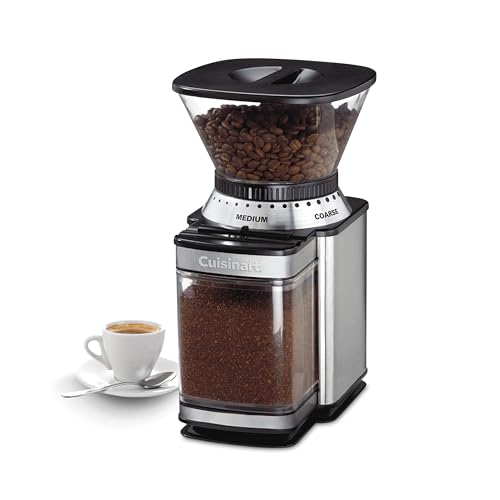
Cleaning an automatic burr mill requires disassembling the removable external components to access the internal grinding zone. Start by unplugging the unit and removing any remaining whole beans from the bean hopper. Twist and unlock the hopper according to the indicator markings, lifting it straight up away from the machine body. Next, slide out the grounds collection container and set both pieces aside on a clean towel.
Inspect the upper burr assembly exposed at the base of the hopper mounting ring. In many burr designs, the upper burr lifts or unthreads smoothly, allowing direct access to the cutting teeth and lower burr mechanism. Use a stiff, dry nylon cleaning brush to scrub the metal teeth on both burrs, dislodging compacted coffee fines from the cutting flutes. Tap the burr gently on a flat surface to loosen stubborn particles, taking care not to nick or drop the metal component.
Vacuuming the internal chamber with a clean hose attachment or using a manual rubber air blower removes loose particles without introducing moisture. Pay close attention to the discharge chute where ground coffee exits the burrs into the collection bin. Coffee oils and static electricity frequently cause grounds to cake along the walls of this small passage. Clearing this channel thoroughly ensures the motor will not bog down during future grinding cycles.
Washing Removable Parts and Dishwasher Guidelines
Removable plastic containers demand careful washing to strip away old oils without clouding or warping the material. Hand washing with warm water and mild dish soap is generally the safest approach for preserving the optical clarity of transparent hoppers and grounds bins. A soft sponge lifts stubborn grounds easily without scratching the interior surfaces. Rinse each piece under clean running water until no scent of soap remains.
Some replacement components, such as the ETZ DBM-8GC grind chamber with lid designed for the Cuisinart DBM-8P1 series, are specifically marked as dishwasher safe. Placing these dishwasher-safe parts on the top rack of your machine saves cleanup time during extensive kitchen maintenance. Always avoid high-temperature heat-drying cycles, as excessive thermal exposure can warp plastic lids and weaken snap-fit tabs over time.
Complete drying is non-negotiable before reassembling any component back onto the grinder housing. Even a few stray droplets of water sealed inside the grounds bin or hopper will moisten fresh coffee grounds, causing instant clumping and mold growth. Allow all washed parts to air dry completely on a clean drying rack for several hours. Inspect the inside corners of the collection chamber and the lid crevices to verify that every surface is bone dry.
Clearing Grounds Clogs and Chute Blockages
Static electricity and fine coffee powder frequently combine to create persistent clogs within the internal discharge chute. When the chute becomes obstructed, ground coffee backs up into the burr chamber, increasing friction and potentially overheating the motor. If your grinder suddenly produces a muffled sound or stops expelling grounds into the bin, an obstructed exit pathway is the primary suspect.
To clear a stubborn blockage safely, disconnect the grinder from the electrical outlet and remove the collection chamber. Use an angled cleaning brush or a flexible wooden coffee pick to gently sweep out the compacted grounds from the opening of the chute. Avoid using metal screwdrivers, knives, or rigid wire implements, as hard metal can scratch plastic walls or damage internal burr edges. Exploring other affordable burr grinder designs reveals that chute maintenance is a shared requirement across many budget-friendly electric mills.
Once the pathway appears clear, gently tap the side of the housing to drop any lingering crumbs down through the channel. Reinstall the dry collection bin, plug the unit back into the electrical outlet, and run the machine empty for three seconds. This short dry run allows the spinning burr mechanism to eject any loosened particles into the bin, confirming that the grinding path is fully unobstructed.
Comparing Maintenance Needs Across Grinder Designs
Understanding how different grinder architectures handle coffee buildup helps set realistic expectations for daily upkeep. Compact conical units, such as the OXO Brew Compact Conical Burr Coffee Grinder, feature stainless steel conical burrs where both upper and lower burrs are removable for thorough cleaning. Conical burr geometry naturally allows gravity to drop beans straight through the cutting zone, which often reduces the length of the internal discharge chute compared to horizontal disc mills.
Comparing maintenance routines between standard disc burr mills and dedicated espresso grinder models highlights how grind size influences residue accumulation. Fine espresso-level grinding generates significantly more heat and fine powder than coarse filter brewing, accelerating the rate at which coffee oils cake onto burr surfaces. Grinders that utilize modern food-safe materials, such as Tritan renew hoppers and bins, also tend to resist grease staining and retain structural durability through repeated wash cycles.
Regardless of whether you use a compact conical burr grinder or a traditional flat disc mill, removable parts make cleaning much more manageable. Machines designed with easily accessible burrs allow owners to brush out old grinds in minutes without complex tool kits. Taking time to learn the specific disassembly points of your machine ensures you can clean deeply without risking component misalignment.
Preventing Coffee Oil Buildup and Off-Flavors
Preventive habits dramatically reduce the effort needed during deep cleaning sessions. The type of coffee bean you brew plays a major role in how quickly internal parts collect sticky residues. Dark roast beans, which feature a glossy sheen of surface oils, deposit sticky films onto hoppers, burrs, and chutes much faster than dry, medium or light roast beans. If you brew dark oily roasts daily, you will need to brush out the grinding pathway weekly rather than monthly.
Storing whole beans directly inside the grinder hopper for extended periods also accelerates oil migration onto plastic surfaces. Ambient room heat and light cause oils on the bean surface to sweat, leaving a yellowish haze on hopper walls that attracts dust and rancid odors. Pour only the quantity of whole beans you intend to grind for the immediate brew session or a single day. Keeping the main bean supply sealed in an airtight, opaque container preserves bean freshness while keeping your hopper cleaner.
Using specialized coffee grinder cleaning tablets periodically can also assist in stripping oils from burrs without liquid water. These food-safe grain-based tablets pass through the burr teeth, absorbing residual coffee oils and dislodging fine dust along the chute. After running cleaning pellets through the machine, run a small handful of whole coffee beans through the burrs to purge any remaining grain dust before brewing your next cup.
When to Clean Versus When to Replace Worn Grinder Components
Routine cleaning resolves most performance problems, but physical wear eventually requires part replacement. Transparent plastic grind chambers endure mechanical stress, vibration, and friction from daily handling. Over several years of continuous use, plastic collection bins may develop hairline cracks, loose lid seals, or damaged alignment tabs that trigger safety switches incorrectly. If ground coffee consistently escapes around the lid during grinding, cleaning alone will not solve the issue.
Investing in an exact-fit replacement part restores proper function without requiring the purchase of an entirely new appliance. For instance, the ETZ DBM-8GC grind chamber with lid serves as a direct replacement for Cuisinart DBM-8P1 series automatic burr mills. This replacement chamber holds up to 32 cups of ground coffee and features a transparent flip-top lid that keeps grounds neatly contained during operation. Swapping in a fresh chamber eliminates static spillage caused by warped older plastics and ensures the machine safety switch engages properly.
Similarly, inspection of cutting surfaces should accompany every major cleaning session. Stainless steel blades in one-touch grinders can develop rounded edges over years of processing dense whole beans. In burr grinders, worn cutting teeth will produce excessive fines and inconsistent particle sizes regardless of how clean the machine is kept. When regular cleaning no longer restores uniform grounds or smooth motor sound, evaluating the condition of the cutting assembly helps you decide between a part overhaul and an equipment upgrade.
Maintaining a clean coffee grinder requires only a few minutes of attentive care, yet it pays dividends in both machine reliability and cup quality. Establishing a simple workflow of daily brushing, careful oil wiping, and occasional deep cleaning prevents motor clogs and guarantees that your favorite coffee beans brew with clean, vibrant flavor. Treat your machine with patience, keep all electrical components away from water, and verify that every washed piece is completely dry before returning to your morning brewing routine.


Write Your Review
No reviews yet. Be the first to share your experience!